
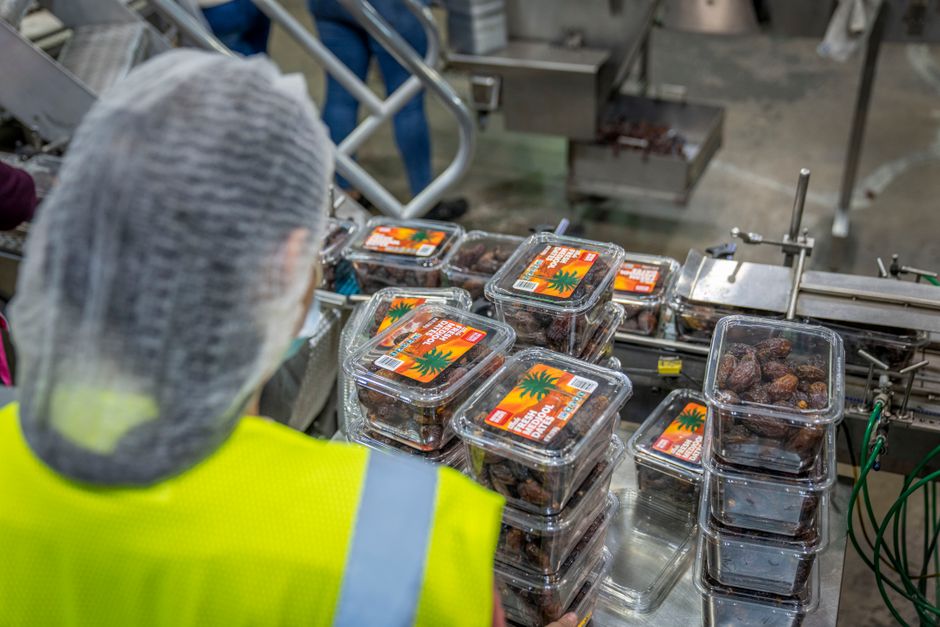
Manufacturing rarely works with anonymous material. Ingredients, components and packaging arrive in identifiable groups, and those groups become stock lots or batches. Batch traceability, also known as stock lot traceability, lot control or batch inventory tracking, is the practice of tracking and identifying each batch of an item separately. It gives manufacturers a reliable record of what was used, where it went and who handled it.
For food and chemical manufacturers, that record supports quality investigations, supplier claims, stock rotation and recalls. This article explains the main requirements, the role of FIFO and stock lots, and how MRPeasy stock lot traceability fits into a practical manufacturing setup.
What batch traceability and stock lot traceability mean
Lot traceability is the ability to track a group of items produced together, called a lot, through production. Lot tracking and traceability is the ability to identify, record and retrieve the history and movement of materials and finished products. Batch and lot traceability links raw materials, packaging components and finished goods, so a manufacturer can follow every ingredient, intermediate and finished unit forward and backward through the supply chain.
A stock lot groups items with shared characteristics into identifiable lots or batches. Each lot is assigned a unique identifier. That identifier may follow a raw material from goods-in, through production, onto a finished goods label, and out to a customer. The goal is enough precision to answer three questions: what was affected, where is it now, and who touched it?
In some scenarios, it is only necessary to capture the product lot that was used to fulfil a particular order at the point it is packed. In others, especially food, pharmaceutical and chemical operations, a complete audit trail of product lot usage throughout all warehouse operations is more appropriate.
The main requirements for batch traceability in manufacturing
Batch traceability works when several practical requirements are met consistently. The core building blocks are similar across engineering, food, electronics, chemicals and consumer goods.
- Assign a unique identifier to each batch or stock lot when it is received or produced.
- Record the lot number on the material record, whether that is a paper batch sheet, a spreadsheet or a manufacturing system.
- Link raw materials and packaging components to the finished goods they become.
- Capture lot usage during production, not after the event.
- Maintain a complete audit trail of product lot usage throughout warehouse operations, including picking, packing and despatch.
- Make the history retrievable and follow the lot forward to the customer and backward to the supplier.
If lot numbers are not captured at goods-in, or if production staff record them inconsistently, the chain breaks. A missing link at one step can turn a narrow question into a broad, expensive problem.
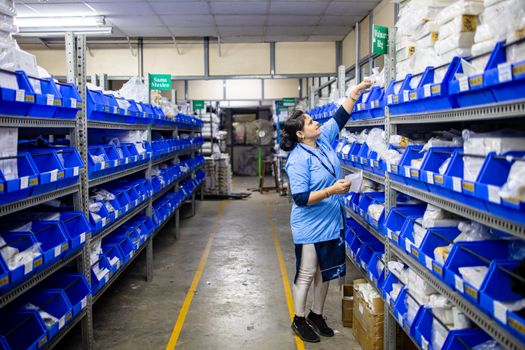
Why food manufacturing relies on batch and lot traceability
Food manufacturing has a direct interest in batch traceability because ingredients carry risk. Allergens, spoilage, contamination and supplier quality issues can all enter the process through a single lot. Lot traceability lets manufacturers know exactly which lot of tomato paste, spice blend or emulsifier went into which batch. If a supplier reports a problem, the manufacturer can identify the affected finished goods rather than recalling everything made that week.
Batch and lot traceability links raw materials, packaging components and finished goods, which enables rapid investigations, compliant recalls and strong quality control. Lot tracking is a fundamental part of the supply chain for food and pharmaceutical products, where the cost of a slow or imprecise response is high.
Batch traceability in chemicals and process manufacturing
Chemical and process manufacturers face a similar traceability challenge, often with bulk materials and continuous or batch production. Lot tracking and traceability are core operational capabilities that support quality in these environments. A process manufacturer may blend, mix, react or dilute materials, which means the finished product can contain inputs from several stock lots. Knowing which lots were combined is essential for investigating off-spec results or customer complaints.
Batch and lot traceability for consumer product manufacturing follows every ingredient, intermediate and finished unit forward and backward through the supply chain. That includes food and beverage, consumer products, personal care, household goods and supplements. The manufacturer needs to know what was affected, where it is now, and who touched it.
FIFO, stock lots and everyday inventory control
FIFO stands for first in, first out. It is a common stock rotation principle: older stock should be used before newer stock. Stock lot traceability makes FIFO practical rather than theoretical. When each lot has a unique identifier and a recorded receipt date, warehouse teams can see which lot is oldest and prioritise it. Without lot control, FIFO depends on guesswork or physical stacking, which becomes unreliable as stock levels grow.
Stock lots also support recall readiness. If a customer reports an issue with a finished product, the lot number on the label can be traced back through production to the raw materials used. Lot tracking software can enforce rigorous adherence to processes and guarantee a complete audit trail of product lot usage throughout warehouse operations.
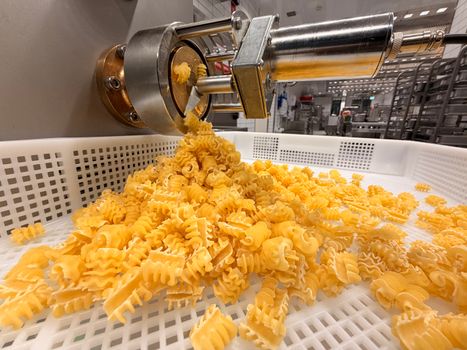
Product recalls and why traceability matters
Product recalls are the clearest test of a traceability system. When a problem is found, the manufacturer needs to know which batches are affected, where they were sent and whether any remain in stock. Batch and lot traceability enables rapid investigations and compliant recalls because the data already exists. Instead of recalling every unit produced over a period, the manufacturer can focus on the specific lots that used the affected material.
A broad recall can remove safe products from sale, damage customer confidence and create unnecessary waste. With good lot records, the response is faster and more defensible. Traceability also supports supplier accountability, because the manufacturer has evidence of which raw material lot was received, when it was used and which finished goods were affected.
How MRPeasy supports stock lot traceability
MRPeasy includes stock lot tracking as part of its manufacturing software. The MRPeasy guidance on stock lot tracking describes batch inventory tracking, lot control and lot traceability as ways of tracking and identifying each batch of an item separately. For a growing manufacturer, that means lot information can sit alongside production, inventory and purchasing data rather than in a separate spreadsheet.
This is particularly relevant for UK manufacturing SMEs that have outgrown spreadsheets or legacy systems. Smart Manufacture is a UK-based ERP and MRP consultancy and the UK’s leading partner for the MRPeasy platform. The team helps manufacturers set up stock lot traceability, migrate data and train staff so that lot records are captured consistently from day one, with ongoing support after go-live.

Building traceability into daily operations
Traceability is strongest when it is built into routine tasks. Goods-in staff should record the supplier lot number as part of receiving. Production staff should record which lots are consumed on each batch. Warehouse teams should pick by lot and respect FIFO where required. Despatch should record which lot went to which customer. Quality teams should be able to search the history without chasing paper.
Start with a clear scope. High-risk ingredients, high-value components, regulated products and items with shelf life or safety implications usually come first. Once those are under control, the same approach can be extended to other stock lots. The aim is a traceability system that is accurate enough for a recall and simple enough that people follow it.
Frequently Asked Questions
What is the difference between batch traceability and lot traceability?
Batch traceability and lot traceability are often used interchangeably. Stock lot tracking is also known as batch inventory tracking, lot control and lot traceability. Each batch or lot of an item is tracked and identified separately. The terminology may vary by industry, but the purpose is the same: to identify, record and retrieve the history and movement of materials and finished products.
Why does FIFO matter with stock lots?
FIFO means first in, first out, so older stock is used before newer stock. Stock lot traceability makes FIFO practical because each lot has a unique identifier and recorded receipt details. Warehouse teams can see which lot is oldest and prioritise it. This reduces waste, supports shelf life control and helps prevent older lots from being left in stock while newer ones are used first.
How does batch traceability help during a product recall?
Batch and lot traceability links raw materials, packaging components and finished goods. During a recall, the manufacturer can identify which lots are affected, where they were sent and whether any remain in stock. This enables rapid investigations and compliant recalls. Instead of withdrawing every product made over a period, the business can target the specific stock lots that used the affected material.
Do food and chemical manufacturers need lot control?
Lot tracking is a fundamental part of the supply chain for food and pharmaceutical products, and it is a core operational capability for chemical and process manufacturers. Food manufacturers need to know which lot of an ingredient went into which batch. Chemical manufacturers need to trace inputs through blending and processing. The exact requirements depend on the product, so manufacturers should verify their obligations with the relevant official source.
Free for 15 days, extendable to 30 by completing the guided onboarding. No credit card needed.
Click here for your free 15 day MRPeasy trial
Recent Comments