
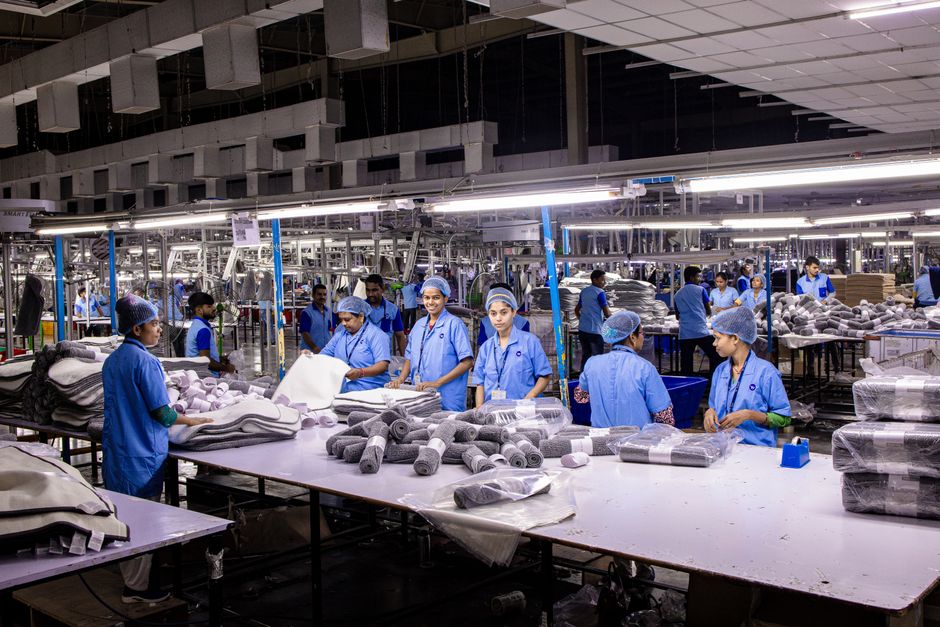
For a manufacturer, few disruptions hurt more than discovering that materials have not arrived, a machine is down or a customer order is running late. Production planning exists to reduce those surprises. It is the discipline of deciding what to make, when to make it and with which resources, so work flows smoothly from goods in to dispatch.
For UK manufacturing SMEs, production planning is often the bridge between winning an order and fulfilling it profitably. Done well, it keeps labour, machines and materials working on the right jobs. Done badly, it creates overtime, waste and missed deadlines. The practices below can be adopted without an enterprise-scale planning department.
What Is Production Planning?
Production planning is the process of forecasting demand and outlining how resources such as labour, materials and machinery will be used to achieve production goals. It turns expected sales into a practical view of what must be produced, in what quantity and by when, and it includes checks that keep the plan realistic, such as confirming that stock is available and machine time is free.
A sound plan helps make sure products are manufactured in a timely manner, within budget and to a high standard of quality. For any company aiming to gain a competitive edge, proper production planning is essential, because it co-ordinates purchasing, staffing and production around a single set of priorities.
Why Production Planning Matters for UK SMEs
Smaller manufacturers tend to run lean teams and tight cash flow, which leaves little room for error. When planning is weak, problems surface quickly through emergency buys, additional freight charges and late shipments. When planning is strong, the same factory can meet customer demand while keeping stock and work-in-progress under control. Reliable plans also make it easier to quote honest lead times, protect margins and give customers confidence in your delivery promises.

The Core Production Planning Best Practices to Adopt
The most effective planning routines rest on a few foundational practices. They apply whether you run job shops, batches or repeat production, and they are the first things to review when the factory feels constantly busy yet never quite on time.
Use Sales and Operations Planning as Your Foundation
Sales and operations planning, usually shortened to S&OP, is the foundation of effective production planning. It brings sales forecasts, customer demand and production capability into one conversation, so the factory understands what is expected before a schedule is built. Establish S&OP as the foundation, then treat real-time adjustment as the capstone. Read the plan against actual orders and update it regularly, because a monthly review cannot keep pace with a busy SME.
Never Plan for 100% Capacity
Assuming the factory can run at full capacity every day is one of the most common planning errors. Machines need maintenance, staff take breaks, changeovers take time and small problems always appear. A realistic plan therefore accounts for maintenance, repairs and other downtime before the schedule is confirmed. If you plan for 100% utilisation, a minor delay becomes a knock-on effect for every job behind it. Build in a sensible buffer so delivery dates stay honest and the operation can absorb shocks.
Keep a Strict Focus on Order Release
Order release is the gate between planning and the shop floor, and work should only pass through it when completion is realistic. Before releasing an order, confirm that labour, machines and materials will be available when the job starts. A strict focus on order release stops work-in-progress from piling up and keeps queues short at busy work centres. Some SMEs release orders early to reassure customers, but early release usually creates clutter. Work released deliberately moves through the factory faster.
Update the Master Production Schedule Continually
The master production schedule drives purchasing, production and dispatch, so it needs to reflect current reality. Update it continually as orders arrive and change. Compare the schedule with available capacity and make adjustments to product wheels or the wider production sequence where these are needed to recover capacity. A schedule that is checked daily, rather than weekly, gives managers an early warning when performance starts to drift, and an early warning means more options for a fix.
How to Build a Realistic Production Plan
These principles work best when built into a routine that everyone understands. A simple five-step cycle is enough for most manufacturers.
Forecast Demand with Honest Estimates
Planning begins with an estimate of potential sales. Forecast market expectations with as much reliability as you can, using past orders, customer conversations and any forward view from the sales team. The forecast does not need to be perfect, but it does need to be honest. Overly optimistic forecasts create excess stock, while pessimistic ones leave customers waiting. Keep the forecast visible so the whole team plans against the same numbers.
Check Inventory and Material Availability
A production plan can only be trusted if the required materials will be on hand. Inventory control is a core part of production planning, and it depends on accurate stock records, sensible reorder levels and clear visibility of materials already committed to open orders. If material availability looks uncertain, adjust the plan before production starts rather than discovering the problem when a job is due to begin.
Confirm Resources Before Releasing Work
At order release, everything needed for the job should be in place. Ensure labour, machines and materials are available before production starts, and check that people are trained for the work, tooling is ready and machine time has actually been reserved. This prevents the familiar situation of a job starting and then stopping halfway while the team waits for a missing part or an occupied machine.
Include Downtime in Your Capacity Numbers
Downtime is not an exception in manufacturing; it is part of the normal rhythm. Account for maintenance, repairs and planned stops when building the plan. If a machine is due for service or a process has a known slow period, factor that into the available hours. Planning around downtime makes the schedule more believable for the team and more reliable for customers.

Make Lean Practices Part of the Routine
Lean thinking and production planning support each other. By implementing lean practices such as Kanban systems, 5S methodology and value stream mapping, you can streamline production processes and remove the waste that makes planning difficult.
Kanban systems use visual signals to trigger production and replenishment, which makes work-in-progress easier to control. The 5S methodology keeps the workplace organised so time is not wasted looking for tools or materials. Value stream mapping shows the full journey of a product from raw material to customer, exposing delays and handovers that would otherwise stay hidden. Lean approaches suit SMEs well because they do not demand large teams or costly tools; they create stable, tidy processes that make production planning easier to execute.
Remove Bottlenecks and Rebalance Capacity
Every factory has a constraint, and that constraint sets the pace for everything downstream. Identify and eliminate process bottlenecks rather than pushing more work into the system. When one machine or work centre is overloaded, work piles up ahead of it while the people and equipment beyond it wait.
Regularly evaluate machinery and workforce capabilities so the plan reflects genuine output. A bottleneck may be resolved by resequencing work, improving changeover times or giving the constrained work centre extra support. Once the constraint is managed, output usually improves without adding machines or staff.
Let Data Guide Your Planning Decisions
Even a small factory produces useful data; the trick is using it. Use data to forecast demand and inform decisions about what to produce and when. Order history, machine utilisation and delivery performance all help build a more reliable plan.
Real-time adjustment is part of the routine too. S&OP is not just a monthly meeting; it is a cycle in which the plan is compared with reality and updated as new information appears. A manufacturer that checks actual output against the plan daily will spot problems far earlier than one that reviews figures weekly.
For many SMEs, spreadsheets become difficult to maintain as order volumes grow. Software can help, provided the planning process itself is sound and the people using it understand the decisions they need to make. The goal is a single, current production plan that everyone can trust.
Frequently Asked Questions
Here are answers to common questions about production planning.
What is the difference between production planning and production scheduling?
Production planning decides what should be made, in what quantity and with which resources, and it includes forecasting demand and checking material availability. Scheduling takes that plan and sequences it onto specific machines and work centres over time, deciding which jobs run first and how shifts are used. Planning sets the realistic target; scheduling works out the detail of how to hit it day by day. Both need regular updates to stay useful.
Why should manufacturers avoid planning at full capacity?
Machines need maintenance, staff need breaks and customers change their minds. If the plan assumes 100% utilisation, any small delay pushes every subsequent job later. Planning for a realistic level of capacity, with downtime for maintenance and repairs included, leaves room to absorb unexpected problems and keeps delivery promises more honest.
What is S&OP in production planning?
Sales and operations planning, or S&OP, brings sales forecasts, customer demand and production capability together into a single plan. It acts as the foundation of the planning cycle, so the factory knows what is expected before detailed scheduling begins. S&OP works best when it is reviewed regularly and adjusted in real time as orders and forecasts change.
How does lean manufacturing support production planning?
Lean practices such as Kanban systems, 5S methodology and value stream mapping streamline production and reduce waste. That makes the processes behind the plan more predictable, so schedules are easier to follow and less time is lost searching for materials or waiting on handovers. For SMEs, lean methods create the stable foundation that good production planning relies on without large investment.
Free for 15 days, extendable to 30 by completing the guided onboarding. No credit card needed.
Click here for your free 15 day MRPeasy trial
Recent Comments