
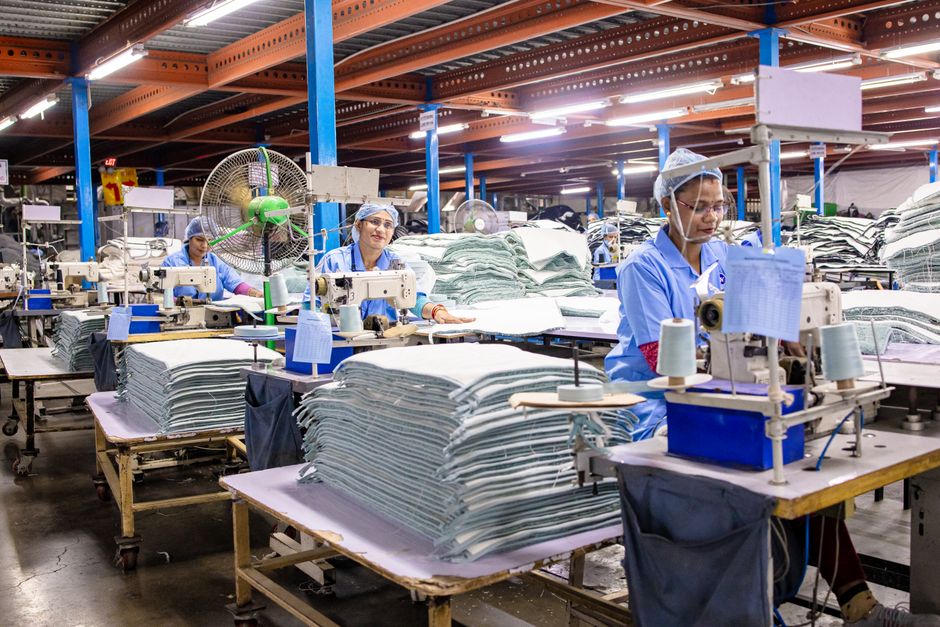
A busy shop floor is not always a productive one. Machines run, staff move between stations, and pallets shift constantly, yet orders still slip and margins stay thin. In many manufacturing businesses, the problem is not a single slow machine. It is the accumulated friction between operations: waiting time, duplicated effort, unclear priorities and materials that travel in loops. Mapping and improving shop floor workflows is one of the most direct routes to a more predictable factory, and the methods available in 2026 make this work more practical than ever for small and mid-sized manufacturers.
What are shop floor workflows?
The shop floor is the heart of a manufacturing operation, the place where raw materials are turned into finished goods and where the reputation of the business is effectively built or damaged every day. Shop floor management refers to the practices, tools and strategies used to manage and monitor everything that happens on that floor. A workflow, in this context, is the sequence of steps that material, information and people follow from the moment an order is released until the product is ready for dispatch.
Optimising the workflow on the shop floor involves arranging physical operations and the flow of work in a manner that reduces delays and removes unnecessary movement. When workflows are left unmanaged, work tends to find its own path. That path is rarely the shortest one. Components wait for machines, operators wait for instructions, and completed work sits in queues that nobody owns. Mapping the workflow is the first step toward replacing that randomness with order.
Why mapping shop floor workflows matters in 2026
Manufacturers are under continued pressure to do more with the same resources. Shop floor control enhances efficiency and ensures seamless operations by optimising resources, addressing potential risks and making better use of the data generated during production. Poor layout, long changeover times, machine downtime and unclear instructions silently drain capacity, and these problems are often invisible from the office. Mapping workflows brings them into the open.
The potential gains are significant. Research cited in the sector suggests that optimising shop floor processes can boost efficiency by around 25 per cent when real-time monitoring and digital manufacturing tools are applied alongside proven improvement frameworks. For a business that has grown comfortable with spreadsheets and tribal knowledge, that level of improvement is rarely achieved by working harder. It comes from working in a more structured way, understanding where time is lost and removing the causes of delay one by one.

How to map your current shop floor workflows
Mapping is not about drawing the process as it should work in an ideal world. It is about capturing what actually happens on a normal day, including the interruptions, the rework and the waiting. Start with one production line or one work cell rather than attempting to map the whole factory at once.
Observe the floor as it actually runs
Regular observation is one of the simplest and most effective improvement tools available. Stand at the edge of a work cell and watch the flow of material through a complete cycle. Note where parts accumulate, where operators walk to fetch tools or information, and where machines sit idle waiting for the previous operation to finish. Observation should happen at different times of day, because the pattern at mid-morning is rarely the same as the pattern just before a shift ends.
Follow the material and the information
Trace one product, or one order, from the point it enters the shop floor to the point it leaves. Record every move, every queue and every handover between operators. The physical route is only half the story. Also follow the information route: how does the operator know what to make next, how does the progress of the order get reported, and where does that report go? In many SMEs the information moves more slowly than the material, which is why urgent jobs suddenly appear with no warning.
Listen to the people who run the process
The operators, team leaders and material handlers on the shop floor know where the workflow breaks down better than anyone. Encourage continuous improvement by asking them directly what slows their work down. The answers will often be simple and specific: missing tooling, instructions that arrive late, component shortages that were known about but not communicated. These small frustrations are the raw material of a workflow map, and fixing them builds trust as well as efficiency.
Record the current state clearly
Once observation is complete, document the current state in a way that the whole team can understand. A simple process flow diagram on paper or a whiteboard is enough for a first pass. Mark the waiting points, the decision points and the loops where work goes back for rework or clarification. This visual record becomes the baseline against which later improvements are measured, so it needs to be honest rather than flattering.
Practical ways to improve shop floor workflows
Once the current state is mapped, the improvement work can begin. The most effective approaches combine physical changes to the floor with changes to how information flows and how people are managed.
Apply 5S and lean thinking
5S principles, which centre on sorting, setting in order, shining, standardising and sustaining, remain one of the most reliable foundations for workflow improvement. A clean and organised floor makes it easier to spot abnormalities, reduces the time spent searching for tools and materials, and creates the discipline needed to keep improvements in place. Going lean also means reviewing the supplier base. Consolidating suppliers simplifies inbound logistics, shortens lead times and reduces the number of disruptions that force the shop floor to change plans at short notice.
Optimise the physical layout
Layout has a direct effect on workflow efficiency. If materials travel long distances between operations, or if related processes are separated by unrelated departments, the result is wasted movement and longer throughput times. Arranging physical operations so that the flow of work is logical and compact reduces delays and makes the route through the factory easy to follow. Even modest rearrangements of equipment or storage can remove the bottlenecks that mapping first revealed.
Introduce real-time machine monitoring
Machine downtime is one of the largest hidden losses on a shop floor, and it cannot be managed effectively if it is only discovered at the end of the shift. Real-time machine monitoring gives supervisors an immediate view of which machines are running, which are idle and which are producing at a reduced rate. This visibility allows quick responses to stoppages and builds a reliable picture of recurring problems that need a more permanent fix.
Give operators clear, accurate instructions
Unclear instructions force operators to make their own decisions, which leads to inconsistency and rework. Standardised work instructions, job routings and quality checks should be available at the point of use and should reflect how the job is actually done. When the documented method matches the practised method, training new staff becomes faster and the workflow becomes more predictable.
Move from spreadsheets to a connected system
Spreadsheets store information, but they do not connect it. When production planning, stock control and purchasing live in separate files, the shop floor pays the price in shortages and missed dates. Digital manufacturing systems, including MES platforms and cloud-based MRP or ERP software, streamline workflows by connecting the plan to the execution. They improve data accuracy, reduce duplicate data entry and give managers a current view of work in progress rather than a snapshot from yesterday.
For SMEs without an enterprise IT department, cloud-based manufacturing software has made this step far more accessible. The goal is not to install a system that demands a team of engineers to run it, but to choose a tool that matches the complexity of the business and supports the workflow rather than dictating it.
Making workflow improvement a daily habit
Mapping and improving workflows is not a one-off project. The best shop floor management practices build improvement into the daily routine of the factory. Regular short meetings around the relevant area, performance boards that show progress against targets and a habit of observing the floor all help to sustain momentum.
Continuous improvement only works when it is encouraged from the top and supported with time and resources. Operators who suggest improvements and see them implemented become more engaged, and their engagement translates directly into productivity. The business that treats workflow improvement as a permanent discipline, rather than a reaction to a crisis, is the business that will hold onto the gains it makes.
In 2026 the combination of proven lean practices and accessible digital tools gives manufacturers a clear opportunity. Real-time monitoring, structured shop floor management and a genuine culture of continuous improvement can work together to reduce delays, improve data accuracy and strengthen the bottom line. The starting point is always the same: go to the floor, watch what actually happens, and map the workflow honestly. From that map, every other improvement follows.
Frequently Asked Questions
What is shop floor management?
Shop floor management refers to the practices, tools and strategies used to manage and monitor the operations that take place on a manufacturing floor. It covers everything from daily supervision and resource allocation to performance tracking and problem solving. Effective shop floor management keeps production running smoothly by giving managers clear visibility of what is happening and a structured way to respond when it is not.
Why is shop floor workflow mapping important?
Workflow mapping reveals where time and money are being lost between operations. Most factories look busy, but hidden waiting time, duplicated work and unclear instructions reduce real productivity. Mapping arranges physical operations and the flow of work in a way that reduces delays. Without a map of the current state, improvements are based on guesswork rather than evidence, and the same problems tend to return.
How can technology help improve shop floor workflows?
Real-time machine monitoring shows exactly where downtime is occurring, while digital MES and MRP tools connect production planning to what is actually happening on the floor. These systems improve data accuracy and streamline workflows by replacing spreadsheets with a single source of truth. Research suggests that optimising shop floor processes with these tools can boost efficiency by around 25 per cent.
Where should a manufacturer start with workflow improvement?
Start by observing the shop floor regularly and talking to the people who run the processes. Choose one production line or work cell, map the current flow of material and information, and identify the most obvious delays. Apply 5S principles to create order, then address the biggest causes of waiting. Small, visible improvements build confidence and create the foundation for a continuous improvement culture.
Free for 15 days, extendable to 30 by completing the guided onboarding. No credit card needed.
Click here for your free 15 day MRPeasy trial
Recent Comments