
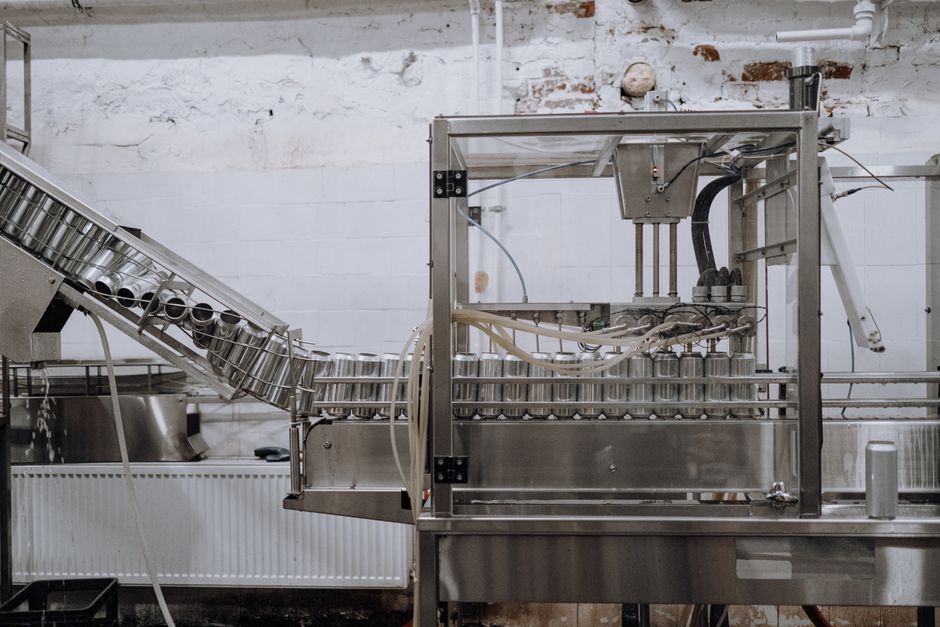
Small manufacturers are often surprised by how much waste their production lines generate. Scrap material, rejected parts, idle machinery and excess stock all add cost without adding value for the customer. Taking a lean approach means looking for these losses systematically instead of waiting for them to show up in the monthly accounts. You do not need expensive consultants or a new factory layout to begin. Most improvements start with better observation, better housekeeping and better use of the information you already hold. The steps below fit the budget, the team and the daily routine of a small manufacturing business.
Begin with a Thorough Waste Audit
The first task is to identify and assess where waste actually occurs. Guidance from manufacturing specialists consistently begins with the same advice: conduct a thorough audit into the source of the waste and the process that creates it. Walk the production line step by step and record what goes in, what comes out as a finished product and what disappears in between. This will show you which stations produce the most scrap and where materials sit waiting for the next operation.
Once you have mapped the visible waste, look for the hidden losses. One useful approach is the Zero Loss Yield Analysis (ZLYA) tool developed by the Institute for Manufacturing at the University of Cambridge. This tool helps manufacturers identify hidden losses by using data that the business already collects, so there is no need to install expensive monitoring equipment. It compares what the line should be capable of producing with what it actually produces and highlights the gaps you may have stopped noticing.
An audit does not need to be a formal exercise. It can be a focused week of observation, a review of reject records or a conversation with the operators who spot problems first. The goal is to create a clear list of waste types and rank them by cost, so your improvement effort goes where it will make the biggest difference.
Apply Lean Manufacturing Principles
Implementing lean manufacturing principles remains one of the most effective strategies for reducing production waste. Lean thinking encourages you to treat waste as any activity that consumes resources without creating value for the customer. When applied to a small manufacturer, this means questioning whether each operation is necessary and whether each step adds something the customer would pay for. Warehouse organisation is also part of this effort, because a tidy, clearly labelled workspace reduces the risk of damaged stock, duplicated work and time spent searching for tools or materials.
Lean principles also point towards identifying bottlenecks. Every production line has a constraint that limits overall output, and waste often gathers around it in the form of waiting time and part-finished goods. Once you know where the bottleneck sits, you can schedule work around it and reduce the build-up. Shorter lead times are another goal of lean thinking, and they matter for waste reduction as well: shorter lead times can reduce material waste and process inefficiencies, resulting in lower inventory and fewer opportunities for stock to become obsolete or damaged.
Prevent Waste at the Source
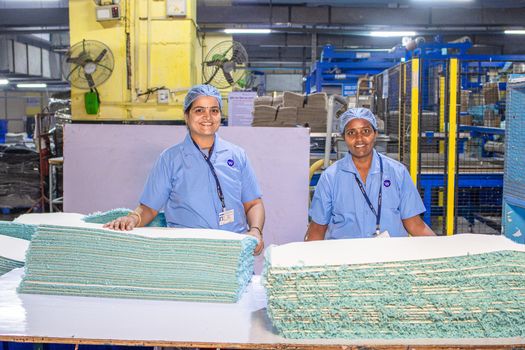
It is cheaper to prevent waste than to deal with it later. There is a straightforward hierarchy that small manufacturers can follow: prevention is better than treatment, and both are better than disposal. Look first at the causes of waste that sit within your control. Reducing unnecessary stoppages in the production line, for example, keeps the process stable and reduces the number of partly completed parts that have to be scrapped when a job is interrupted.
Equipment condition also plays a role. Upgrading or replacing old equipment can remove a constant source of off-specification output that older machinery produces as it wears. Where new machinery is not affordable yet, look for smaller fixes such as minimising spills or leaks. Using sealed systems for liquids, powders and other materials stops losses that are easy to overlook but expensive across a full shift. These measures count as waste prevention because they stop the problem before it occurs.
Use Automation to Catch Defects Early
For many small manufacturers, automation sounds like a large capital investment. It does not have to be. Adding even a modest level of automation to inspection, sorting or assembly can deliver a measurable reduction in waste. Automated systems are consistent in a way that manual checking is not, and they excel at identifying and removing faulty items early in the production process.
This early detection is the key benefit. When a defective part slips through to the end of the line, the waste includes not just the material but every hour of labour and machine time invested in it. Automation minimises waste generated from defective or non-compliant items because problems are caught before value is added. In practice this means fewer reworked parts, lower material consumption and a cleaner record of what your line has actually produced.
Rethink Materials and Packaging
Waste reduction is not only about the production process itself. The materials you choose and the way you package products have a direct effect on how much waste leaves your factory. Closed-loop manufacturing is one approach that is gaining ground: it aims to keep materials in use rather than sending them to landfill after a single production cycle. Even if a full closed-loop system is not realistic for your business, reusing materials internally where quality allows is a simple way to lower waste output.
Packaging deserves its own review. Reducing packaging materials is one of the most cited methods for lowering waste, and the principle is simple: if you can use less packaging, or replace it with reusable or recyclable alternatives, you cut waste before it is created. Optimising waste packaging also means looking at whether the packaging you buy is the right size for the product, because oversized boxes and excessive void fill simply add to the waste stream. Talk to your suppliers about returnable containers and check whether your customers will accept less packaging on incoming goods.
Manage Inventory Efficiently
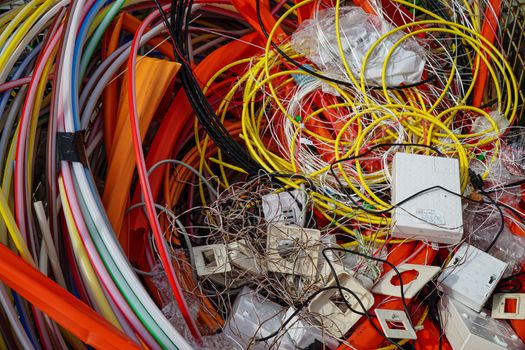
Inventory is one of the quietest sources of waste in a small manufacturing business. Raw materials that sit too long can become obsolete, damaged or out of specification, and finished goods that do not sell eventually become a write-off. Managing inventory efficiently is therefore a core waste-reduction strategy. The aim is to hold enough stock to meet customer demand without tying up cash in parts that may never be used. Each of the other improvements you make, such as shorter lead times and fewer stoppages, makes this balance easier to achieve. As lead times fall, the level of inventory needed to cover them falls too.
This is where good production planning matters. If your schedule is built on guesswork or outdated spreadsheets, you will tend to order more material than you need and produce earlier than necessary. A reliable view of demand, current stock and open orders lets you buy with confidence and keep inventory levels deliberately low.
Build a Waste-Conscious Team
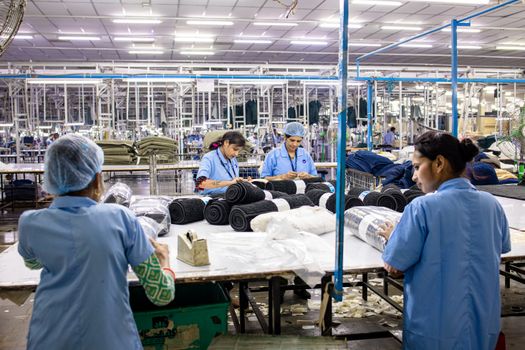
None of these measures will stick unless your team understands why they matter. Training employees on waste is a strategy that appears in almost every practical guide to production waste, and it makes sense for a simple reason: the people closest to the machine are the first to notice when something is wrong. An operator who knows how to spot the early signs of tool wear, an incorrect setting or a material fault can stop the line before a whole batch becomes scrap.
Training should cover both the reasons for waste reduction and the specific actions each person can take. It should also make clear that reporting a problem is welcomed, not punished. Small manufacturers often find that the best waste-reduction ideas come from the shop floor, because the team sees the process every day. Give them the time to share those ideas and the authority to act on the simple ones.
Practical Checklist for Reducing Production Waste
If you are starting from scratch, use this short checklist to guide your first attempts:
- Conduct a waste audit and list the sources of waste in order of cost.
- Look for hidden losses using the production data you already hold.
- Apply lean manufacturing principles to every operation and storage area.
- Identify bottlenecks and reduce unnecessarily long lead times.
- Reduce stoppages, upgrade or repair old equipment, and seal leaks and spills.
- Add automation to catch faulty items before they travel down the line.
- Reuse materials where possible and cut packaging to the minimum safe amount.
- Manage inventory tightly so stock cannot become obsolete or damaged.
- Train employees to spot waste and act on it quickly.
Frequently Asked Questions
What is the most effective way to reduce waste in production?
There is no single answer, but the most effective route for small manufacturers is to combine a structured waste audit with lean manufacturing principles. The audit tells you exactly where losses occur, while lean thinking gives you the tools to remove bottlenecks, cut lead times and shorten the time between ordering material and selling the finished product.
What are five practical ways to reduce waste in the manufacturing process?
Five practical methods are conducting a thorough waste audit, implementing lean manufacturing principles, reducing unnecessary stoppages and equipment failures, training employees to spot waste, and reducing or optimising packaging materials. Each of these can be started without a large budget and each contributes to lower material use and fewer rejected products.
How does lean manufacturing reduce production waste?
Lean manufacturing focuses on identifying activities that consume resources without adding value for the customer. By applying lean principles, manufacturers can identify bottlenecks, organise the warehouse more effectively and shorten lead times. Shorter lead times reduce material waste and process inefficiencies, which in turn lowers the level of inventory that has to be stored and protected.
How does automation help reduce waste on a production line?
Automation helps reduce waste because automated systems can identify and remove faulty items early in the production process. When a defect is caught early, the manufacturer does not spend further labour and machine time on a part that will eventually be rejected. Automation therefore minimises the waste generated from defective or non-compliant items and keeps material consumption closer to the level needed for good output.
Free for 15 days, extendable to 30 by completing the guided onboarding. No credit card needed.
Click here for your free 15 day MRPeasy trial
Recent Comments