
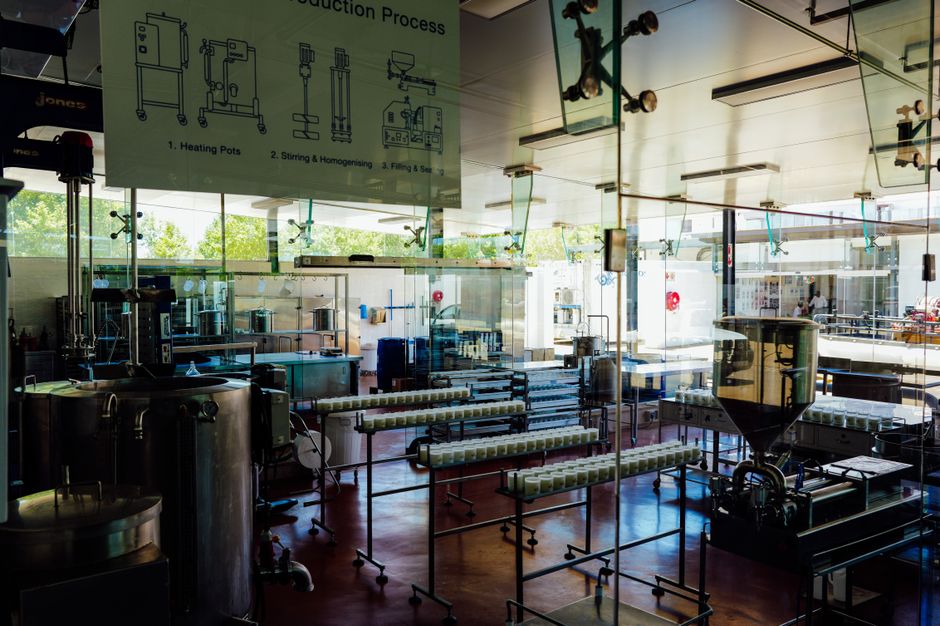
Food manufacturers asks more of a planning system than most other sectors. Raw materials arrive with use-by dates, recipes get revised, packaging artwork changes, and every batch has to be traceable from the delivery note through to the pallet that leaves the yard. A spreadsheet can hold some of that information, but it struggles to keep it consistent once orders, stock and production are all moving at the same time.
This guide covers what a food manufacturer should expect from MRP software, why MRPeasy suits small and mid-sized producers in particular, and how to get started without taking on enterprise-sized cost or risk.
What a food manufacturer actually needs from MRP
Before comparing systems, it helps to separate the genuine requirements from the nice-to-haves. For most food and drink producers below enterprise scale, a workable MRP system needs to do the following well.
- Show what is genuinely in stock, including which batch or lot it belongs to and when it expires.
- Hold accurate bills of materials for each finished product, including yield and packaging components.
- Plan production against real demand rather than an optimistic sales forecast typed into a spreadsheet.
- Generate purchasing suggestions based on stock on hand, lead times and what production is about to consume.
- Keep a record of what went into each batch, so a customer question or an audit can be answered quickly.
- Give a realistic product cost, so margin is visible before the order is accepted rather than after the month end.
None of that is exotic. The difficulty is finding a system that delivers all of it without demanding a full-time administrator or a six-figure budget.
Why spreadsheets stop working
The typical path into MRP looks similar across small food businesses. One spreadsheet holds the batch sheet, another tracks stock, a third holds supplier prices, and the production plan lives in someone’s head or on a whiteboard. That arrangement works while volumes are low and the product range is short.
It breaks down when a second or third product line is added, when a customer asks for full traceability on a delivery, or when two people update the same file and one saves over the other. The symptom is usually the same: production runs short of an ingredient nobody realised was committed elsewhere, or stock sits in the chiller past its date because nothing flagged it.
A cloud-based system removes the version conflict entirely, because everyone works from a single set of live records.
Stock lot traceability and expiry date management
Traceability is the requirement that pushes most food manufacturers away from general-purpose accounting software. Ingredients need to be received against a lot or batch, tracked as they are consumed into production, and linked forward to the finished goods that contain them.
Expiry date management is the natural companion to that. Once materials carry a date, stock rotation becomes a rule the system can enforce rather than a habit that depends on who is on shift. Older lots get picked first, materials approaching their date get flagged before they become waste, and finished goods carry a shelf life that is visible to whoever is planning despatch.
MRPeasy handles both of these within its inventory and production records, which is a large part of why it suits the food sector rather than only engineering or electronics businesses. It is worth confirming the exact behaviour against your own product range during a trial, particularly if you deal in short shelf-life chilled goods or in ingredients that are decanted from bulk.

Bills of materials and item version control
Food recipes change. A supplier substitutes an ingredient, a customer asks for a reduced-salt variant, a pack size moves from 250g to 200g with a new case count. Each of those changes ripples into purchasing, production and costing, and if the change is only recorded on paper, the workshop keeps building the old version for weeks.
MRPeasy stores bills of materials against items, with version control so that a revision can be introduced deliberately rather than overwriting history. That matters for two reasons. First, it keeps costing honest, because each build is costed against the material list that was actually used. Second, it gives you a defensible record of what a product contained at a point in time, which is useful when a customer or auditor asks the question months later.
Item records can carry the attributes food producers rely on, including units of measure, supplier details and lead times, so the same item behaves consistently in purchasing, stock and production.
Planning that is tied to live stock
The planning module in MRPeasy sits directly against inventory, so it works from what is genuinely available rather than a stale snapshot. In practice that means you can see stock levels, lead times and product costs together, then plan and schedule production tasks with a realistic view of what the workshop can take on.
That connection is what prevents the two classic food manufacturing errors: over-ordering perishable raw materials that then go out of date, and over-committing production capacity that the team cannot physically deliver in the week available. Because the plan and the stock ledger are the same system, the plan updates as goods are booked in and consumed.
Low cost and low risk
MRPeasy is delivered as a cloud service and priced per user per month, with published tiers rather than a bespoke quote for every enquiry. That model keeps the entry cost modest for a small manufacturer and, just as importantly, keeps it predictable. You can check the current figures on the MRPeasy website before you commit to anything.
The risk side matters more than the price for most owners. A cloud system means no server to buy, no infrastructure project and no long contract tied to hardware that will be obsolete in four years. Implementation can be phased, starting with the product range that causes the most pain, and expanded once the team is comfortable.
MRPeasy also offers free trial access, which allows a food manufacturer to test real recipes, real lot numbers and real expiry rules before signing anything. That is the cheapest form of due diligence available, and it is the approach we recommend regardless of which system a business eventually chooses.
What a sensible implementation looks like
Software choice is only half the job. The following sequence keeps a first MRP project contained.
- Pick a representative slice of the product range, ideally ten to twenty items that cover your main processes.
- Clean the item master before loading anything, agreeing naming conventions, units of measure and lead times.
- Load bills of materials for those items, including packaging and yield assumptions.
- Set up lot and expiry rules to match how your customers and auditors expect stock to be handled.
- Enter opening stock with realistic lot numbers and dates rather than a single balancing figure.
- Run the planning side in parallel with existing methods for a few weeks, comparing the outputs.
- Retire the spreadsheets once the team trusts the numbers, then extend to the remaining products.
Working with a UK implementation partner
Smart Manufacture is a UK-based independent ERP and MRP consultancy and a partner for the MRPeasy platform. The work covers software selection, implementation, data migration, team training and support after go-live, which matters because the weeks immediately after launch are when most questions arise.
An independent adviser is useful in a market where every vendor claims to be the obvious answer. The conversation should start with your processes, your traceability obligations and your budget, and only then move to the software. For food manufacturers, that usually means spending time on lot control and shelf life before anyone discusses dashboards.

Questions worth asking before you commit
Whoever you buy from, these questions separate a serious food manufacturing system from a generic stock package.
- Can a finished batch be traced back to every raw material lot that went into it, and forward to the customer who received it?
- Are expiry dates held at lot level, and can the system enforce first-expired-first-out picking?
- Can the system track Allergens against ingredients?
- Can a bill of materials be revised without losing the previous version?
- Does the production plan read live stock, or does it need a manual export first?
- What does the monthly cost look like once the whole team has a login?
- How much of the setup can be done in a trial before any money changes hands?
MRPeasy answers most of those comfortably for a small or mid-sized producer, and the trial makes the rest easy to check for yourself. If you would rather have someone walk through it with you, a short call with a UK partner will usually tell you within half an hour whether the fit is right.
Frequently Asked Questions
Is MRPeasy suitable for a small food manufacturer?
Yes. MRPeasy is a cloud-based production planning system built for small and medium-sized manufacturers, covering production, inventory and procurement. Its lot tracking, expiry date handling and bill of materials version control line up well with the traceability demands of food production, and the per-user monthly pricing keeps the entry cost within reach for a growing business.
Can MRPeasy track expiry dates and batch numbers?
Stock can be held at lot level, with dates attached, so materials and finished goods are identifiable individually. That supports first-expired-first-out picking and gives you a forward and backward trace when a customer or auditor asks. Test the exact rules against your own products during a trial, especially for chilled goods or decanted ingredients.
How long does it take to get a food manufacturer live on MRP?
It depends on the product range, how clean your existing data is and how many people need training. Starting with a focused slice of the range and running the new system alongside existing spreadsheets for a few weeks is the usual approach. A phased start reduces disruption and gives the team time to trust the numbers before retiring old files.
What does MRPeasy cost compared with enterprise ERP?
MRPeasy is priced per user per month with published tiers, which is a very different proposition from a bespoke enterprise ERP quotation covering licences, servers and a long implementation. Check the current pricing on the MRPeasy website, then model the monthly figure against the number of people who genuinely need access rather than the whole headcount.
Free for 15 days, extendable to 30 by completing the guided onboarding. No credit card needed.
Click here for your free 15 day MRPeasy trial
Recent Comments