
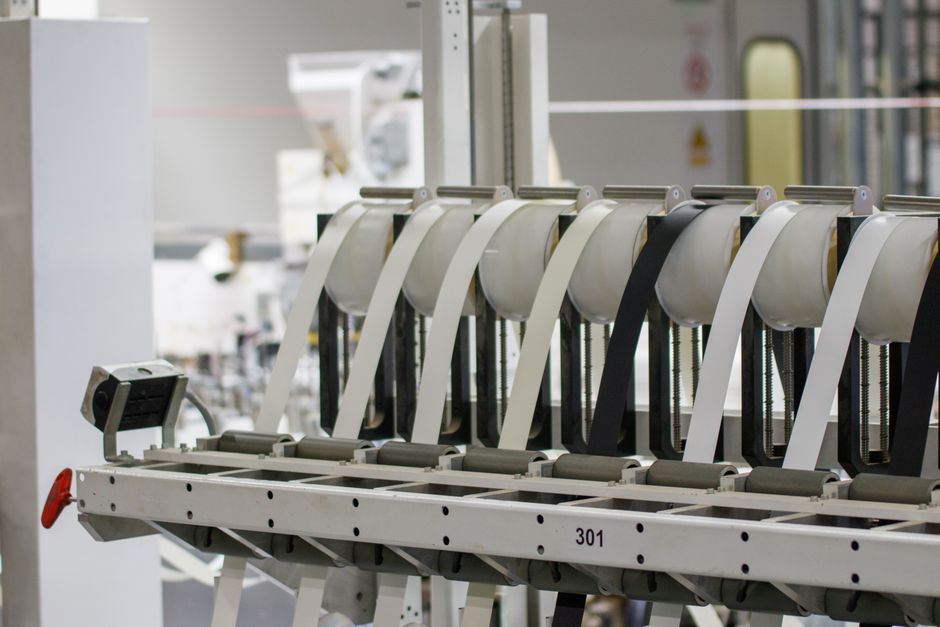
Manufacturing process optimisation is the discipline of improving efficiency, quality and resilience by systematically refining how a factory operates. For UK SME manufacturers, this is not an abstract exercise to be filed away after a workshop. It is a direct response to the daily pressure of quoting accurately, delivering on time and keeping costs under control. Most of those pressures are built from small inefficiencies, and those inefficiencies respond well to structured attention.
In plain terms, optimisation is about tightening up how work gets done on the shop floor. You look at what slows production, what wastes material or time, and where communication breaks down between stages of a job. Then you make focused changes, measure the results, and repeat the process. That simple rhythm is the practical heart of any factory improvement effort.
What is manufacturing process optimisation?
Manufacturing process optimisation refers to increasing organisational efficiency through process improvement. It has a great deal in common with continuous improvement, which aims to continually improve processes, products or services over time. Where a traditional project might start and finish, optimisation tends to become a permanent habit: understand the current state, improve it, check the outcome, and then look for the next opportunity.
Production optimisation sits alongside it and uses models, analysis, prioritisation and measurements to increase productivity. That work is not limited to the machine itself. It deliberately takes in equipment and staging areas, because production flows through physical space as well as through time. A bottleneck is rarely just one machine; it is the arrangement of work around that machine, including how parts arrive, how finished items leave, and how people know what to do next.
Improvements are typically made across several interlinked areas, including machinery, control loops, quality monitoring and maintenance scheduling. Because those areas interact, a change in one can create a chain of effects elsewhere. Spending time on quality monitoring, for example, can reduce urgent rework that was stealing capacity from other orders. Optimisation is therefore most effective when it treats the factory as one connected system rather than a collection of isolated processes.
Why should UK SMEs take this seriously?
Many growing manufacturers reach a point where spreadsheets and legacy systems become a constraint. The business is busy, but owners and operations managers spend more time chasing information than acting on it. For companies that need traceability, reliable job costing and dependable production planning, manufacturing process optimisation offers a practical route out of that cycle. It creates a clearer view of what is happening, what it costs, and what should happen next.
The benefits show up as greater efficiency, steadier quality and a more resilient operation. When workflows are stable and fully understood, quoting becomes more confident, material ordering becomes more accurate, and deliveries depend less on individual heroics and more on a system that works. For SMEs in sectors where margins are tight and customers expect consistent performance, that stability is worth real money.
Where to start: analyse your current workflows
When businesses ask how to optimise manufacturing processes and improve productivity, the standard advice returns to two broad actions: analyse your current workflows, and then modernise your processes and technologies. The second action should wait until the first is done. Automating or speeding up a process that is poorly designed simply produces the same problems at greater speed.
As you analyse workflows, the natural areas to inspect are:
- Machinery, where utilisation, setup and changeover times shape overall output.
- Control loops, which keep production conditions stable and predictable.
- Quality monitoring, which catches errors early instead of turning them into rework.
- Maintenance scheduling, which prevents small issues from becoming unplanned downtime.
Walk the route that a typical job takes through the factory. Look for places where work queues build up, where material sits waiting, and where machine operators are waiting for information, parts or approvals. Those waits are often the cheapest efficiency gains available because they require no new equipment, only better organisation.
A practical cycle for process improvement
Process optimisation in manufacturing does not require a large team or a complex methodology. It needs a simple cycle that respects the realities of an SME, where the same people manage production, purchasing and customer problems in a single day. The following cycle reflects the core elements of production optimisation: models, analysis, prioritisation and measurements.
- Map the current workflow. Capture how a job actually moves through the factory, not how it looks on paper. Include waiting time and administrative steps in the map.
- Analyse where time and material are wasted. Look for repeated work, late information and unstable processes that force people to make decisions without reliable data.
- Prioritise the biggest constraint. Trying to fix everything at once dilutes effort. Choose one bottleneck or one recurring problem that has a visible effect on delivery or cost.
- Measure current performance. Establish a baseline before changing anything. Simple measures such as time lost to waiting, rework rates or output per shift give you a way to judge progress.
- Modernise the supporting process and technology. Once the workflow is understood, update the methods and tools around it. For most SMEs this includes the planning system that schedules work, tracks materials and records costs.
After a change is made, give it time to settle, then compare the new results with the baseline. If the change works, make it the standard way of operating. If it does not, adjust and try again. That review step is what turns a one-off improvement into continuous improvement.
The role of technology in process optimisation
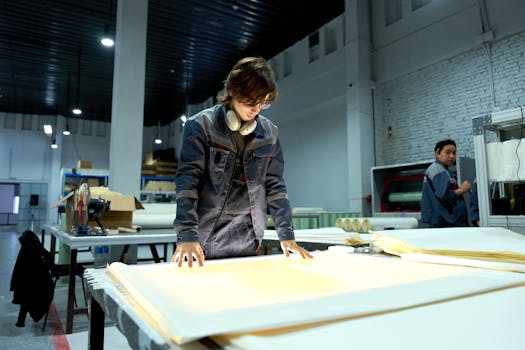
Process optimisation increasingly relies on structured methods and technologies, including automation and artificial intelligence. Research in the field has also explored data-driven optimisation models for intelligent manufacturing processes, sometimes built on deep learning algorithms. These tools can analyse large volumes of production data and suggest answers that a human team might miss.
For an SME, however, the right technology is not necessarily the most advanced technology. It is the one that fits the size of the business, delivers reliable answers, and does not demand a dedicated IT department to run. That is where an MRP or ERP system earns its place in the optimisation journey. Cloud-based manufacturing software can replace the spreadsheets and disconnected systems that hide problems, and it gives planning, scheduling, job costing and traceability a single reliable home.
When manufacturing software is implemented after a genuine analysis of current workflows, it does more than store data. It becomes the framework that keeps optimised processes in place. Operators see clearer priorities, buyers see accurate material requirements, and managers see job costs as they develop rather than weeks after an order has shipped.
Keep the measurement habit alive
Optimisation efforts lose momentum when they are treated as finished. Because production optimisation relies on measurement, the habit of checking results has to continue after the project ends. Regular reviews do not need to be elaborate. A short meeting to compare recent performance against the baseline, discuss what changed, and agree the next priority is enough to keep progress moving.
Successful manufacturers treat process optimisation as a permanent part of management, not a crisis response. They keep asking what slows production, what wastes material and where demand is unpredictable. Over time those small questions produce compounding gains in efficiency, quality and resilience, which is exactly what the discipline promises.
How Smart Manufacture supports UK manufacturers
Smart Manufacture is an independent ERP and MRP consultancy that helps manufacturing SMEs choose, implement and run cloud-based manufacturing software. The team is the UK’s leading partner for the MRPeasy platform, an implementation partner for other software systems, and a trusted adviser to manufacturers in engineering, food, electronics, chemicals, aerospace and automotive.
The consultancy works with companies that are outgrowing spreadsheets and legacy systems, providing support from an initial independent advisory conversation through software selection, data migration, team training and go-live. Crucially, that support continues after implementation, so the software and the process improvements around it stay on track.
If your manufacturing process optimisation work has exposed the limits of your current planning tools, an honest, jargon-free conversation about your options can be a valuable next step. The focus should be on finding the right fit for the way your business actually operates, rather than forcing your business to fit a system.
Frequently Asked Questions
What is the difference between process optimisation and continuous improvement?
Process optimisation is the structured act of improving how the factory operates by increasing efficiency. Continuous improvement is the broader habit of making those changes on an ongoing basis. The two ideas overlap heavily: optimisation work usually becomes part of a continuous improvement routine, rather than a one-off event that ends when the project finishes.
Which areas of manufacturing should be optimised first?
The core areas are machinery, control loops, quality monitoring and maintenance scheduling. Start by looking at what slows production and what wastes material. Also ask where machines wait for work, parts, information or approvals. The best place to begin varies by factory, so observation and measurement of current workflows should come before any changes.
Can software help with manufacturing process optimisation?
Yes. Software plays an important role in modernising processes and technologies, which is one of the key routes to improving manufacturing productivity. More advanced systems use automation, artificial intelligence and data-driven models to support intelligent manufacturing. For most SMEs, a good MRP or ERP system makes the practical difference because it gives planning, costing and traceability a single reliable home.
How do I get started without disrupting production?
Begin by analysing current workflows, ideally by walking the route a job takes through the factory. Note where material sits, where machines wait, and where information arrives late. Then prioritise the biggest constraint and measure its current performance before you change anything. After a trial period, review the results and standardise what works, then move to the next priority.
Free for 15 days, extendable to 30 by completing the guided onboarding. No credit card needed.
Click here for your free 15 day MRPeasy trial
Recent Comments